A Comprehensive Guide to HVAC: Navigating Common Problems in A/c Units and Fixes
The complexities of a/c systems frequently result in typical a/c issues that can interrupt comfort. Understanding the elements and capability is necessary for property owners. Symptoms like not enough cooling or strange noises signal underlying problems. This overview details reliable troubleshooting strategies, DIY solutions for minor repair services, and signs that professional help is necessary. By discovering preventative upkeep pointers, viewers can ensure their systems run efficiently. What actions should be required to address these problems effectively?
Comprehending Your HVAC System: Parts and Performance
A cooling and heating system is basic for maintaining comfortable indoor settings, incorporating heating, ventilation, and air conditioning functions. It is composed of several crucial elements, each playing a significant role in its overall operation. The heater or boiler produces warm, while the a/c system cools down the air to maintain wanted temperatures. Ducts disperse conditioned air throughout the area, making sure even temperature level guideline. In addition, the thermostat keeps track of the system and manages's efficiency, permitting customers to set their preferred setups.
Air flow is necessary for keeping interior air top quality, entailing the exchange of stagnant interior air with fresh outside air. Air Duct and vent Cleaning. Filters are integrated right into the system to record dirt, irritants, and various other particulates, advertising a much healthier environment. Generally, recognizing these components and their functionalities enables house owners to value the complexity of their a/c systems and the relevance of routine upkeep for peak efficiency and durability
Common A/c Issues: Signs and Causes
Typical a/c problems can show up in numerous means, including insufficient air conditioning efficiency, uncommon noises, and unpleasant smells. These signs and symptoms typically indicate underlying problems that require focus, such as cooling agent leaks or mechanical breakdowns. In addition, constant cycling can recommend thermostat problems or air movement restrictions, indicating the need for timely fixings.
Insufficient Cooling Performance
When an a/c system stops working to cool down an area adequately, it can result in pain and disappointment for the passengers. Insufficient air conditioning performance can originate from various concerns, including a dirty air filter, which limits airflow, or reduced refrigerant degrees as a result of leakages. Additionally, malfunctioning components such as the compressor or evaporator can hinder reliable air conditioning. Thermostat setups might also be improperly configured, causing the unit to underperform. Routine maintenance is necessary to prevent these problems, making sure the a/c system operates successfully. Determining the origin without delay can help with timely repair services and restore excellent air conditioning, boosting interior comfort and expanding the lifespan of the unit.
Unusual Sounds and Smells
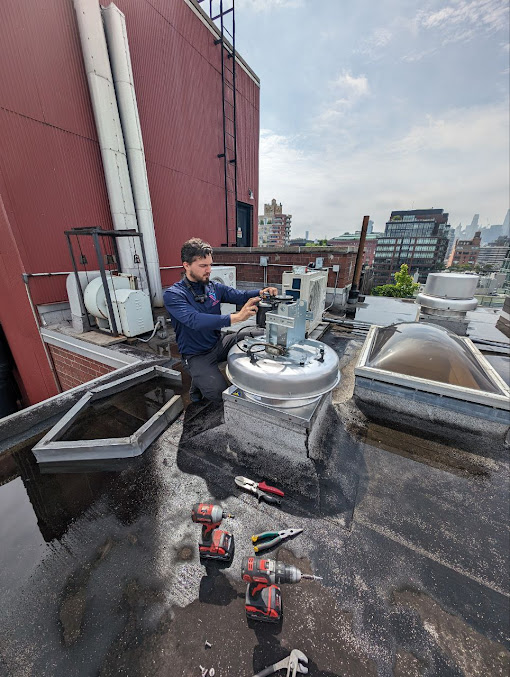
Uncommon sounds and odors from an air conditioning system can signal underlying problems that need interest. Common sounds, such as grinding, rattling, or hissing, typically show mechanical problems, loosened components, or cooling agent leaks. A grinding sound may suggest damaged bearings, while rattling could point to loosened components that require securing. Hissing noises might indicate a refrigerant leak, which can endanger performance.
Frequent Cycling Issues
Regular biking concerns in cooling systems can substantially impact convenience and power performance. This phenomenon happens when the device transforms on and off rapidly, stopping working to keep a consistent temperature. Usual signs and symptoms consist of rising and fall interior temperature levels and increased power expenses. The root causes of regular cycling may include a malfunctioning thermostat, inaccurate cooling agent levels, or unclean air filters that limit air movement. In some cases, a large a/c system can likewise bring about quick cycling, as it cools down the area also promptly without adequate runtime. Identifying these issues without delay is important, as long term cycling can result in raised wear on the system, decreased life-span, and greater fixing costs. Routine upkeep can reduce these issues and boost total performance.

Troubleshooting Your Air Conditioning Device: Step-by-Step Guide
Many homeowners experience issues with their air conditioning units eventually, bring about discomfort throughout heat. To fix efficiently, one must initially check the thermostat setups, guaranteeing it is established to "cool down" and the desired temperature level is reduced than the current room temperature. Next, examining the air filters for dirt and blockages is vital, as clogged up filters can restrain air movement.
If the unit falls short to start, analyzing the power supply and breaker for any type of stumbled buttons is required. Paying attention for unusual noises can also supply clues; rattling or grinding may show mechanical issues or loosened components.
Lastly, reviewing the exterior condenser system for particles or obstructions is very important, as this can affect effectiveness. By complying with these steps, property owners can identify typical troubles before seeking specialist help, guaranteeing an extra comfy living setting throughout the summer season.
Do It Yourself Services for Minor A/c Issues
A variety of minor heating and cooling issues can usually be resolved with basic do it yourself fixings, conserving both time and cash for home owners. One typical issue is a clogged air filter, which can limit airflow and reduce efficiency. House owners can conveniently change or cleanse the filter to enhance system efficiency. In addition, checking and tightening loose electric connections can avoid undesirable power disruptions and improve security.
One more simple task is cleaning the condenser coils, which can gather dust and debris, hindering heat exchange. By switching off the unit and delicately cleaning the coils, homeowners can keep suitable performance.
Last but not least, making certain that the thermostat is correctly calibrated can get rid of inaccurate temperature readings. A basic recalibration can bring about boosted comfort and power financial savings. While these minor fixings are convenient, it is essential for homeowners to identify their constraints and prioritize security throughout the procedure.
When to Call an Expert: Indications You Need Specialist Help
How can homeowners determine when it's time to seek specialist a/c assistance? Identifying the indications that suggest expert help is needed can protect against further complications. First, if the cooling device is blowing warm air in spite of being readied to cool down, this could indicate a refrigerant leak or a malfunctioning compressor. In addition, uncommon noises such as grinding or squealing audios often point to mechanical problems that need experienced intervention. Property owners must also be sharp to weird odors rising from the device, which could recommend electric issues or mold development. It's recommended to consult a professional if the system regularly cycles on and off or displays inconsistent temperature levels throughout the home. If the energy bills spike suddenly, it may show inadequacy that could be best addressed by a Cooling and heating specialist. Identifying these signs can help ensure the long life and effectiveness of the a/c system.
Preventative Maintenance Tips for a Smooth-Running AC System
Preventative maintenance is vital for guaranteeing an a/c system operates efficiently. Trick methods consist of normal filter substitute, seasonal system evaluations, and thermostat calibration checks. Implementing Read Full Report these tips can help prolong the life-span of the AC system and enhance its performance.
Routine Filter Replacement

Seasonal System Inspections
Yearly seasonal system inspections are important for guaranteeing a smooth-running a/c system. These inspections allow specialists to determine prospective concerns prior to they intensify into expensive fixings. During an assessment, vital elements such as the compressor, condenser coils, and refrigerant have a peek here levels are thoroughly checked out. Specialists also examine electric connections and examine the total performance of the unit. Cleaning the coils and guaranteeing correct air movement are important tasks that add to peak performance. Additionally, seasonal inspections aid maintain power performance, which can lead to reduced energy expenses. By setting up these assessments at the start of the cooling season, house owners can appreciate tranquility of mind, knowing their a/c system is in peak condition and all set to take care of the summer season warm.
Thermostat Calibration Checks
Although usually ignored, thermostat calibration checks are essential for keeping an efficiently operating a/c system. An improperly calibrated thermostat can bring about inaccurate temperature level analyses, triggering the unit to cycle needlessly or fall short to get to the wanted comfort level. To perform a calibration check, one need to compare the thermostat's reading with a dependable thermostat placed near the unit. If disparities are found, modifications might be required to assure accuracy. Normal calibration checks, ideally conducted during seasonal assessments, can prevent excessive power usage and promote a longer life expectancy for the air conditioner system. By prioritizing this basic yet essential maintenance step, home owners can enhance comfort and efficiency, ultimately minimizing repair work expenses and boosting total system performance.
Often Asked Questions
How Can I Boost My a/c System's Power Performance?
To boost heating and cooling system power performance, one ought to consistently keep filters, seal ducts, mount a programmable thermostat, guarantee correct insulation, and take into consideration upgrading to energy-efficient versions, eventually lowering energy consumption and lowering utility prices.
What Are the Advantages of Normal HVAC System Maintenance?
Routine a/c system upkeep offers numerous advantages, including improved power performance, enhanced air high quality, prolonged tools life expectancy, decreased repair work expenses, and constant temperature level control. These advantages add to a much more cost-effective and comfortable interior environment.
How Typically Should I Change My Cooling And Heating Filters?
The frequency of cooling and heating filter replacement depends on usage and kind, yet usually, it's advised every 1 to 3 months. Normal modifications keep excellent air top quality and system efficiency, prolonging the life expectancy of the cooling and heating system.
What Is the Ordinary Life-span of an A/c System?
The typical life expectancy of an a/c unit commonly varies from 10 to 15 years (Heating & Cooling Installation). Variables such as upkeep, use, and ecological conditions can substantially influence this period, influencing overall efficiency and efficiency with time
Are There Any Kind Of Government Discounts for Energy-Efficient Heating And Cooling Upgrades?
The query regarding government refunds for energy-efficient a/c upgrades reveals that many areas use rewards. Homeowners are motivated to research study neighborhood programs, as rebates can considerably minimize upfront costs and promote sustainable power usage.
The complexities of HVAC systems typically lead to usual you can try here air conditioning concerns that can interrupt comfort. The furnace or boiler generates warm, while the air conditioning system cools down the air to keep desired temperature levels. Air flow is vital for preserving interior air top quality, including the exchange of stale interior air with fresh outdoor air. If the air conditioning unit is blowing cozy air in spite of being established to cool, this might represent a cooling agent leak or a malfunctioning compressor. Annual seasonal system examinations are necessary for making sure a smooth-running air conditioning system.